


Listen to the podcast version of this post here.
When it comes to creating a physical space that supports your fullest creative expression and the birthing of your best ideas, there is a ton of great advice out there. You’ve probably heard it all: don’t touch your phone first thing in the morning, move your body before sitting at your desk, or eat protein for breakfast.
While I’ve found value in those tips, if you are searching for Human Design information to truly customize your workflow, we need to look deeper. What I want to share here is a way to approach your work based on your Human Design Environment. By understanding your specific Human Design Variable for environment, you can refine your workspace and build a creative warm-up practice that fully engages your energy and stimulates your mind.
How to Find Your Human Design Environment
Before we dive in, you need to pull up your Human Design chart to find your specific placements. Here is exactly how to find it:
-
Generate a free chart: Head over to my chart generator at keolaniyoung.com/human-design-chart and enter your exact birth details.
-
Locate your Variable: Look near the top of your chart (around the head center) for four “arrows.” These arrows represent your Four Transformations, or Variable.
-
Find the Environment Arrow: To find your Environment Variable, look specifically at the bottom left arrow.
-
Check your Environment style: Note whether that bottom left arrow is pointing left or right, which tells you if your environment is Active or Passive. Below your chart, in the properties section, you’ll also see your specific Environment (e.g., Caves, Markets, Mountains, etc.).
And two things before we get into it:
- Your Environment becomes more relevant after your Saturn Return. If you haven’t reached your Saturn Return yet, this information might not be meaningful to you right now. You can come back to this later or simply take everything I say with a grain of salt and see how things play out over time.
- Human Design is not meant to be prescriptive. This information is always something to experiment with to discover how your true self wants to move and how your energy wants to flow. If you find out you have a Mountains Environment, this doesn’t mean you need to sell your house in the suburbs and move to a cabin. Every environment has certain qualities. As you listen to the description of your environment, reflect on the qualities it implies. What are we seeing and experiencing on a mountain versus inside a cave?
Human Design Variable: Active vs. Passive Environments
The first thing you want to identify is whether your Environment Variable — that bottom left arrow — is pointing left or right.
A left-facing arrow means your Environment is Active. There’s a sense of movement, energy, and engagement. You’re designed to actively participate in your environment. This is stimulating, collaborative, and can be competitive and pleasantly challenging. You might find yourself going out, pursuing your goals, initiating ideas, and organizing group plans. Your environment is more fast-paced and demanding, which can become stressful, so it’s important to nourish yourself and build your resilience to handle these stresses.
A quick way to discern if a space is right for you: Do you feel activated by the environment in a good way? Or do you start to feel tired, lethargic, or disengaged, even if you have no reason to feel tired?
A right-facing arrow means your Environment is Passive. There’s a sense of calm, tranquility, and contemplation. You’re designed to observe and reflect on what’s happening in and around you. You develop insights in a slower, more introspective way. You might find yourself inviting others over to relax in your space more often than you go out to initiate plans. Opportunities come to you.
The right environments bring a feeling of harmony and peace, but also a pleasant connectedness to the world around you. It shouldn’t become too isolating, at least not for long periods of time. It’s important to still remain engaged with the outside world, as comfortable as your little hermit cave can be (as a Passive Environment person, I completely get it)
A quick way to discern if a space is right for you: Do you feel relaxed there? Or do you start to feel overwhelmed, anxious, or a little too “on display?”
For example, I find IKEA intolerable and overwhelming. But my Active Markets Environment girlfriend loves IKEA — she could spend hours in there and it’s not disregulating to her at all. She’s an event producer and is often made the MC of the event or the “voice of god” you hear over the loudspeakers. She’s fun to listen to and her voice is activating (she has a Defined Throat).
In contrast, I have an Undefined Throat. I’m a Passive Environment person and I officiated my sister’s wedding last year. I was proud and excited to do it, but a little nervous because having all eyes on me is not my natural state. I prefer to be the observer. But after the ceremony was over, people came up to me saying it was the most relaxing ceremony they’d ever been to. They described my voice as hypnotic and calming. I had just focused on keeping a nice pace, and the result was an incredibly relaxing experience for the guests.
If my girlfriend had been the one officiating, people might have said it was more energizing and funny. Neither is better than the other, but looking at Active versus Passive Environments gives us a sense of how you move through a space and the energy you bring to it.
If I were to host a gathering, the first thing that comes to mind is creating a beautiful dinner with homemade bread, delicious wine, Spanish guitar in the background, and intimate mood lighting. The consistent element is a relaxing space where you can feel at home and kick off your shoes. When you visit a Passive Environment person’s home, it can feel like you live there now, too.
My girlfriend loves to host too, but she’s more likely to throw a lively party. And she often gives a tour of the space if someone is visiting for the first time, which is something I would never think to do. When she hosts, you might play a physical game or sing karaoke. She is a Markets Environment, so she loves to curate the space and is in charge of interior design in our home.
- Are these subtle differences sparking any insights on the way you approach your work, move through your home, or interact with others?
- If you were to imagine an environment that supports your richest creative expression, would you want it to be more active and engaging, or more relaxed?
- Are you more likely to write a social media post on a walking pad, or laying on the couch reflecting on your inner world?
- What if you tried both to see what felt best?
Environment Categories: Hardscape vs. Landscape
Moving on to the six environments, they are broken down into two main categories:
- Hardscape Environments (Caves, Markets, Kitchens): These people are equipped to handle more dense, urban spaces. They tend to have a stronger immune system and can handle a bit more physical contact and closer proximity to others.
- Landscape Environments (Mountains, Valleys, Shores): These people tend to do better in less dense spaces with less physical contact. This doesn’t mean they shouldn’t live in a city like New York, but more spaciousness and time alone or in nature is usually helpful for them.
Caves Human Design Environment
Caves are spaces of safety, security, and control. This is the First Color, carrying an association with the First Line — themes of security and safety to ensure success and survival.
Think of an actual cave: it likely has one entrance, you can see who’s coming in and out, and there’s a level of control over who is allowed to enter.
An office with an open floor plan where people can walk up behind you might feel disregulating. A table in the middle of a busy coffee shop might leave you on edge, unable to focus. Compare that to a seat at the back of a quiet library where you have a vantage point of the comings and goings, or a co-working space requiring a key pass. Many Caves people love a home office for exactly these reasons.
To optimize your workspace, try these adjustments:
- Move your desk so your back is against a wall.
- Utilize lower light sources or natural light rather than fluorescent overheads.
- Keep the temperature cool and crisp.
- For content creation, try recording videos in your car or arranging a cozy space in your closet or room to record podcasts.
Bring in a sense of calm and control, paying attention to temperature, sound, and light to see what feels best.
Markets Human Design Environment
Markets are spaces of abundance, choice, selection, exchange, and commerce. These are places of exploration where you can pick and choose things you like and access items tailored to your taste. Curation is key.
Think of a farmer’s market where you can stroll and select quality goods from different artisans, or a food hall where you can grab a plate of pasta and then some ice cream. Indulgence is a theme here — playing with different ingredients and making things to your liking.
Markets people often need control over interior decorating. My girlfriend is an Internal Markets Environment, which is about actively going out and bringing things back to the home space. She has free rein over our creative decisions and decor. When I visit the homes of my Markets friends, it always feels so them. You can feel their energy, personality, and interests.
Consider these questions for your workspace:
- How can you customize your workspace to your exact preference?
- Can you start making coffee with beans from your favorite roaster?
- Would a candle from your favorite hotel chain make your workspace feel more luxurious?
- Can you rearrange the space seasonally to keep it feeling fresh?
Don’t feel bad about being choosy about your home. If you feel pressured to have a rigidly consistent brand identity, you might actually be craving a fresh seasonal update to your visual essence. Make sure your platforms are a good representation of your taste now.
Kitchens Human Design Environment
Kitchens are spaces of collaboration, transformation, and diversity. This is the Third Color, which is about trial and error — experimentation that leads to discovery. It’s about making something new, bumping into things, and sometimes getting a little messy.
This doesn’t have to mean a literal kitchen; think of any creative space or science lab where experiments lead to discoveries. Give yourself room to play.
You might find yourself naturally congregating in the kitchen at a house party, having interesting conversations with people from all walks of life. This sparks ideas that feed your need for discovery.
To bring this alchemy into your business:
- Try working at a bustling coffee shop or co-working office.
- Set up your laptop at your actual kitchen table.
- Consider collaboration offers with people in completely different industries to innovate in a blue ocean.
- Embrace the experimental process; if you feel bored or stale, it’s your sign to bring different elements together and see what happens.
Mountains Human Design Environment
Mountains are spaces of elevation, higher perspective, openness, and a change in oxygen levels. For Mountains people, this change in oxygen levels can be literal. You might feel better living on a higher floor of a building, getting nosebleed seats at a game, or vacationing in high-altitude places like Breckenridge. You might even do your best creative writing on long flights.
This is a Landscape Environment, so being a bit removed from the dense crowds feels good for you.
To elevate your workspace, you could:
- Light incense or candles to change the oxygen levels in your space.
- Play with vertical design to make the room feel taller.
- Work from a second-floor bedroom or the upper level of a co-working space.
- Hang expansive artwork and create plenty of open space around your desk.
The perspectives you share online are meant to feel elevated and expansive. If you start to feel boxed in, you will lose touch with your perspective, making it difficult to fully show up.
Valleys Human Design Environment
Valleys are spaces of communication, exchange, and collaboration. Feeling tuned into the happenings of your community or the world at large is regulating and nourishing for you.
Valleys are close to the ground and surrounded by resources. Picture Yosemite Valley, where you can find the grocery store, connect with others, and swap stories about the trails. It’s all about the exchange of energy and information.
If a Valleys person is watching a reality show, they’re definitely talking about it in the group chat at the same time. You need to feel “in the know.”
A quiet home office might not be stimulating enough for you every day. To create grounded connection, try:
- Turning on the news or a live YouTube channel in the background.
- Body doubling using platforms like Focusmate.
- Spreading out on the floor with comfy pillows and blankets to do your best writing.
- Getting into industry groups where you can chat with other business owners.
Sound is very important for Valleys people; you are acoustically oriented. Pay attention to the volume, tone, and frequency of the places you love to go, and recreate that auditory nourishment in your workspace.
Shores Human Design Environment
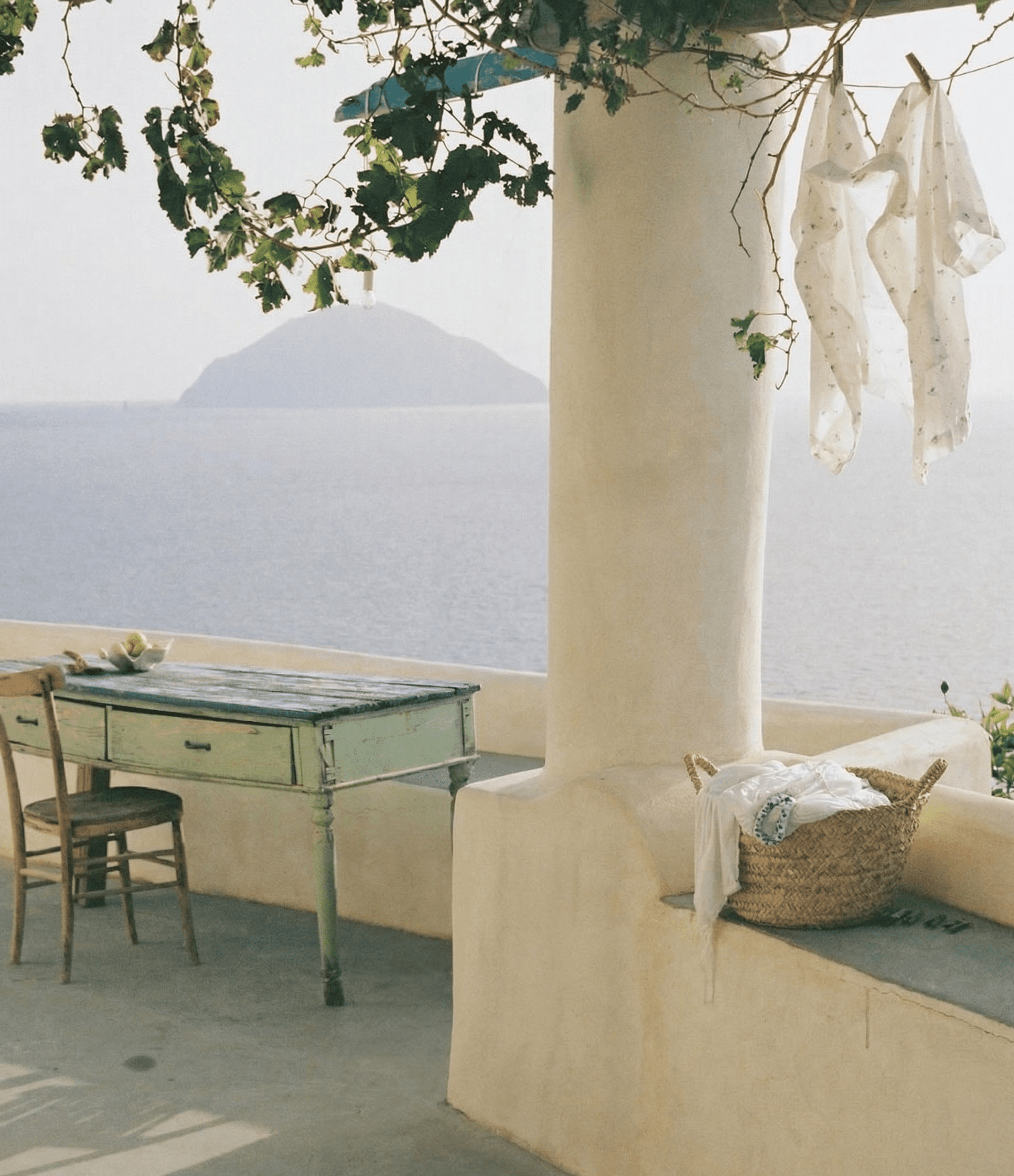
Shores are places of edges, boundary lines, and views where you straddle two worlds. It’s a front porch that is both indoors and outdoors, a city window overlooking a forest, or an actual shoreline where your feet are on the sand but the waves are washing over you.
Airports are a classic shore. Everyone is moving from one place to another, situated at the edge of something, and “normal” rules don’t quite apply.
I have an Artificial Shores Environment. I often find myself moving locations throughout the day—from the office to the couch to the patio. When I go to a coffee shop, I tuck up against a wall to observe without being too in the mix, honoring my Passive Environment type.
Shores is the Sixth Color, carrying an element of observation (looking out at what’s happening outside yourself). Because the Sixth Line/Color sits at the end of the Hexagram looking forward to the First Line, many Shores people also strongly resonate with Caves Environments.
To honor your Shores Environment:
- Read science fiction or fantasy to enrich your mental world and transport your mind while your body stays put.
- Ensure your workspace has a view, a window, and natural light.
- If your desk faces a wall, bring in a mirror to make it feel less compressed.
- Follow people in entirely different industries to observe the changing online landscape.
Understanding Your Human Design Variable: The 4 Transformations
Your Environment is just one part of a sequence called the Four Transformations. These four aspects feed into each other to bring you into coherence with your true self and correct path.
- Determination (Digestion): How you nourish yourself and digest everything you take in (from food to the social media accounts you follow). When you nourish yourself correctly, you strengthen your Cognition, which is your strongest sense.
- Environment: Unlocked by correct Determination. When you’re in the right place, you see the right things, meet the right people, and access the right resources.
- View (Perspective): Unlocked by the right Environment. This is the specific lens through which you are designed to see the world.
- Motivation: Unlocked by your View. This is how you conceptualize and share what you’re seeing. This becomes your Outer Authority — where you provide unique value to others by sharing your experiences and observations.
To give you a quick example: I have Nervous Touch Determination. It matters less what I consume and more where and how I consume it. My body needs a certain level of stimulation to digest. When I feed myself correctly, it enhances my Inner Vision Cognition (my mind’s eye), allowing me to tune into the future.
This unlocks my second transformation: my Artificial Shores Environment. Now I’m in the right places, seeing the right things through my Power View (the third transformation). Power View is a Third Color View focused on the material plane—seeing who has power, what’s working, and what trends are emerging.
What I’m seeing feeds my fourth transformation: Desire Motivation. Because I can clearly see the changes on the material plane, I am motivated to share strategies that work, raise flags on industry trends, and help people progress.
If I’m not nourishing myself correctly, my cognitive potential declines. I won’t find myself in the right Environments. My View and Motivation will shift into Transference (their opposite colors). My Power View transfers to Personal View, and my Desire Motivation transfers to Innocence Motivation. Suddenly, I’m sitting on the sidelines, holding back, and not being the leader I’m meant to be.
If you want to get a deeper understanding of your Four Transformations, your Transference, and how this applies to your work, I cover this in my Legacy Human Design Readings. It’s a 90-minute deep dive where we synthesize your chart into an energetics-informed approach to your life and business, and you can make special topic requests in your session notes.
For a little taste test, I share about the six Views and six Motivations in my DIFFERENTIATED mini-course, which you can access for $44 (it will also give you $44 off a Legacy Reading, making your purchase essentially free).
And if you want to read more about how your energy translates to your business, be sure to check out my blog on the profit potential of your undefined centers.
Keolani xx
Frequently Asked Questions About Human Design Environments
What are the Human Design Variables? Your Human Design Variable (also known as the Four Transformations) are represented by the four “arrows” at the top of your bodygraph. They represent your cognitive architecture and how your brain and body are uniquely designed to take in information, process your environment, and share your perspective with the world.
What does a Passive Environment mean in Human Design? A right-facing bottom-left arrow indicates a Passive Environment. Your ideal spaces have a sense of calm, tranquility, and contemplation. You’re designed to observe and reflect on what’s happening in and around you. Instead of constantly hustling, you thrive in spaces where you can relax and allow opportunities to come to you.
What does an Active Environment mean in Human Design? A left-facing bottom-left arrow means your Environment is Active. You’re designed to actively participate in your environment, which can be stimulating, collaborative, and pleasantly challenging. You thrive in spaces that support you in going out, pursuing your goals, initiating ideas, and organizing plans.
Do I need to move if my environment doesn’t match my current home? Not at all! Human Design is not meant to be prescriptive. If you find out you have a Mountains Environment, this doesn’t mean you need to move to a cabin. Instead, look for ways to adjust your current space to mimic those qualities —like working from a second-floor bedroom, playing with vertical design to make the room feel taller, or simply opening a window or lighting incense to change the oxygen levels in the space.